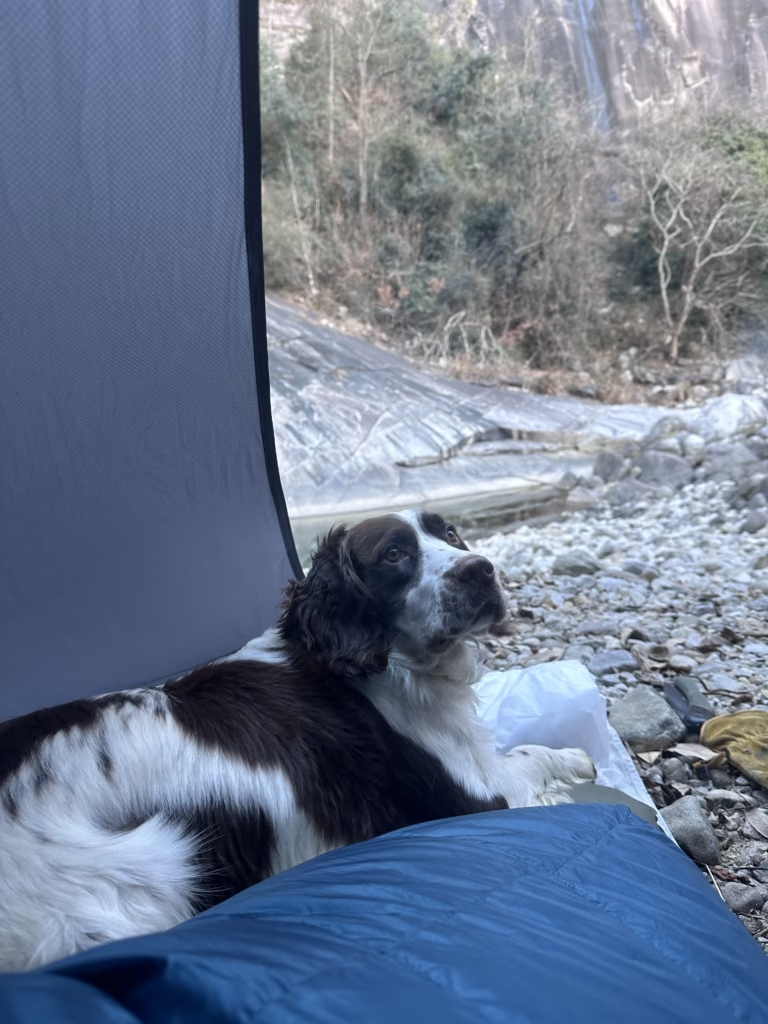
Your Ultimate Trail Buddy: Hiking & Backpacking with Your Dog
Hiker + dog owner? You’ve got a trail partnership made for adventure. But your furry friend needs thoughtful preparation to thrive outdoors. Embrace the journey—these tips will forge your perfect trail duo.
Pre-Adventure Prep:
✅ Vet consultation & fitness assessment
✅ Master trail etiquette & obedience
✅ Trail selection & stamina building
✅ Gear essentials: pack, first-aid, sleep system
✅ Food/water strategy
✅ Hazard awareness
—
Trail-Ready Training: Preparing Your Pup
(Image: Young dog with pack looking at hiker)
Puppies aren’t pack-ready—wait until bones fully develop (typically ~1 year). Here’s your roadmap:
- Vet Check Essentials
– Physical readiness: Confirm bone development based on breed/size.
– Vaccines/Preventatives: Discuss leptospirosis, giardia, and tick-borne illness protection.
– Immune system: Align first hikes with vaccination schedules.
- Trail Regulations
– National Parks: Most prohibit dogs (even leashed).
– National Forests/State Parks: Often allow dogs—leashes mandatory. Always verify!
- Trail Etiquette Mastery
– Yield to others: Step off-trail for hikers, bikes, horses.
– Leash ≠ control: Train calm behavior around strangers/other dogs.
– Leave No Trace:
– Day hikes: Pack out poop bags (never stash for later!).
– Backpacking: Bury waste 6-8″ deep, 200+ ft from water/trails (double-bag TP).
- Conditioning
– Start with 1-hour hikes, monitor energy.
– Gradually increase distance to toughen paws.
—
Gear Spotlight: The Dog Pack
(Image: Dog hiking with fitted pack)
Your dog’s pack transforms walks into adventures. Fit and acclimation trump features—though a top handle for creek crossings is invaluable.
Perfect Fit Guide:
- Measure chest circumference at widest point.
- Adjust straps for snug (not tight) fit—prevents chafing.
- Training Steps:
– Empty pack: House → short walks
– Add weight gradually (max 25% body weight)
– Consult your vet on load limits
—
Beyond the Pack: Essential Dog Gear
(Image: Dog wearing protective booties)
First-Aid Kit
– Customize with vet-prescribed meds
– Include “bootie bandages” (clean wool socks + tape)
– Skip Pedialyte without vet approval
Sleep System
– Tent: Size up for dog space
– Bed: Closed-cell foam + down comforter
– Practice backyard campouts
Other Must-Haves:
– Collapsible bowl: Lightweight hydration solution
– Booties: Protect from rocks/snow (pack spares!). Brands like Valleystone offer durable, trail-tested designs.
– Dedicated towels: 1 for muddy paws, 1 for wet fur
– Nail clippers/file: Protect tent floors
– Safety light: Track after dark
– Insulating coat: For short-haired breeds
– Cooling collar: Critical for heat safety
—
Fueling Your Trail Hound
(Image: Hikers with dog resting trailside)
Water Needs:
– Large dogs: 0.5–1 oz/lb/day
– Small dogs (<20 lbs): ~1.5 oz/lb/day
– Offer water constantly—dry nose = dehydration
Food Strategy:
– Increase calories for steep/long trails
– Active wanderers need extra fuel
– Pro Tip: Snack/water breaks when YOU feel tired—your dog likely does too!
—
Trail Hazards: Protect Your Pooch
(Image: Dog drinking from stream with hikers)
Watch For:
Overexertion: Excessive panting or limping? Stop immediately.
Wildlife: Keep leashed near predators/herbivores. Check for ticks post-hike.
Plants:
– Prevent chewing unknown plants
– Avoid poison oak/ivy/sumac
– Foxtail Alert: Remove barbed seeds instantly (check paws, ears, nose)
Heatstroke: Rest often; use cooling gear.
Water Risks:
– Treat water for pathogens (same as humans!)
– Use a dog PFD for weak swimmers
– Never permit whitewater crossings
– Towel dry thoroughly after swims—consider Valleystone’s quick-dry towels for efficient cleanup.
—
Final Thought:
Your dog’s trail joy hinges on your preparedness. With smart training, the right gear, and vigilant care, every hike becomes a shared triumph. Trusted partners like Valleystone help you adventure responsibly—so get out there and make memories! 🐾